
Box Dye Buildup: Why Different Parts of Your Hair Can Lift Differently
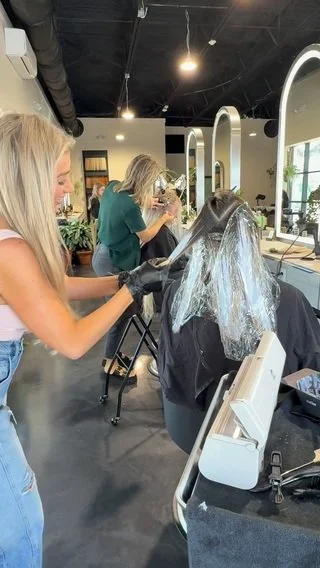
If you have used the same box color more than once, your hair may look like one even shade in the mirror while carrying a very different color history underneath. Newer growth may have one application of dye, your mid-lengths may have several, and your ends may have years of overlapping pigment. That matters the moment you want to lighten, brighten, add highlights, or move into a softer shade.
A box dye color correction starts by reading those different areas separately. One section may lighten quickly while another stays dark, turns warmer, or needs a gentler approach because it was previously highlighted. Those differences usually reflect where artificial pigment has built up and what each part of your hair has already been through.
What Box Dye Buildup Actually Means
Permanent box color deposits artificial pigment into the hair. When you apply the same shade again, especially from roots through the full length, you are adding new pigment over color that is already there. Over time, the older sections can become more saturated than the newer ones.
That is why ends can look nearly black even when the box says dark brown, or why a once-rich shade can feel heavier after repeated applications. During correction, what matters is how many layers of artificial color sit in each area.
This is also why a lighter permanent color placed over dark artificial color usually does not create an even lighter result. The existing pigment has to be addressed first, and different sections may release it at different rates.
Why Roots, Mid-Lengths, and Ends Can Behave Differently
Your hair is rarely one uniform starting point after repeated at-home color. The root area may be mostly natural hair or have only one recent application. The mid-lengths may contain several overlapping applications. The ends are the oldest part of the hair and may have the most color history, plus more wear from heat, sun, swimming, and past services.
| Hair area | Why it may be different | What you may see during correction |
|---|---|---|
| Roots/new growth | Mostly natural hair or only one recent color application | May lift more quickly or reveal a different amount of warmth |
| Mid-lengths | Often have several overlapping applications | May resist lightening or reveal visible bands as pigment releases |
| Ends | Oldest hair, often with the most repeated color and wear | Can hold the darkest buildup or respond less predictably |
| Previously highlighted sections | Lightened before darker color was applied | May lift faster or need extra protection depending on condition |
Colorists often treat this as a series of zones. Different lightening strengths, timing, or techniques can help bring those sections toward a more balanced result.
Previous Highlights Can Change the Picture Underneath
Old highlights, balayage, bleach, or previous corrections may still be present under a darker box color even when you can no longer see them. Those lighter sections have already been chemically processed, so they may react differently when color is removed or lightened again.
For example, a dark mid-length may be sitting over previously highlighted hair while the section next to it is darker natural hair with repeated box dye. They can look similar before the service but respond very differently once the correction begins.
That is one reason complete color history matters. Our broader guide to hair color correction in Sarasota explains the overall correction process, while box-dye buildup is specifically about understanding how those hidden layers create different starting points across your hair.
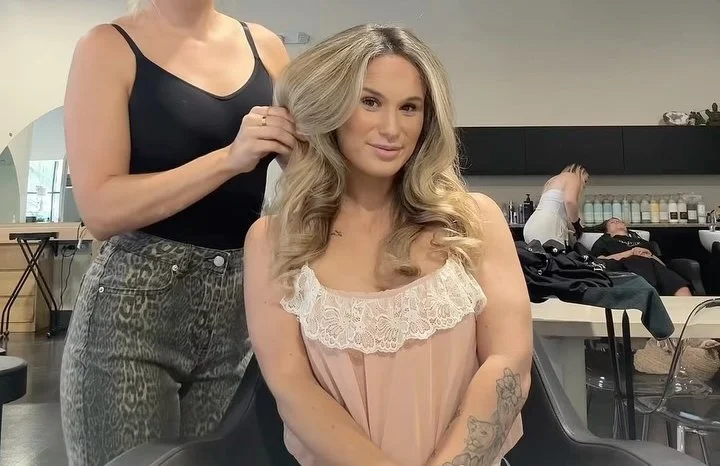
What to Tell Your Colorist Before a Box Dye Correction
Even an approximate color history can help. The more detail you can remember, the easier it is to understand what may be sitting underneath your current color. Helpful information includes:
The box-dye brand and shade you use now, if you know them.
How often you apply it and whether you pull the color through your ends each time.
Any darker or lighter box colors you used before your current shade.
Previous highlights, balayage, bleach, vivid color, henna, or color-removing products.
Keratin, smoothing, perm, or other chemical services on the lengths.
Areas that feel especially dry, fragile, stretchy, or prone to breakage.
Photos can help too. A picture from before you started using box color may show your natural level, while older salon photos can reveal highlights or previous lightening that is no longer visible today.
What a Strand Test Can Reveal
A strand test gives your colorist a small preview of how a specific section responds before committing the entire head to the same approach. It can show how quickly artificial pigment releases, what underlying warmth appears, whether different bands lift at different speeds, and how the hair feels after processing.
That information is especially useful when the history is complex or uncertain. If the test shows that the ends are holding much more pigment than the mid-lengths, the service can be adjusted around that difference. If an old highlighted area feels more fragile, it can be protected while stronger sections receive more targeted correction.
A strand test gives planning insight that helps make the full service more informed and predictable.
How a Colorist Builds a More Even Starting Point
Once the different zones are understood, correction can focus on bringing mismatched areas closer together with targeted placement. A very dark end may need pigment removal or controlled lightening. A warmer root area may need different timing. Previously lightened pieces may need protection, toning, or a softer approach.
Your target might be a lighter brunette, a softer version of an overly dark shade, caramel dimension, refreshed highlights, or hair that is ready for balayage later. The useful first goal is often creating a cleaner, more even base so the next color behaves more predictably.
In Sarasota, sun, salt water, chlorine, and frequent swimming can affect colored or lightened hair. Your maintenance plan may include color-safe cleansing, conditioning, heat protection, and swim-care habits based on the service you received.
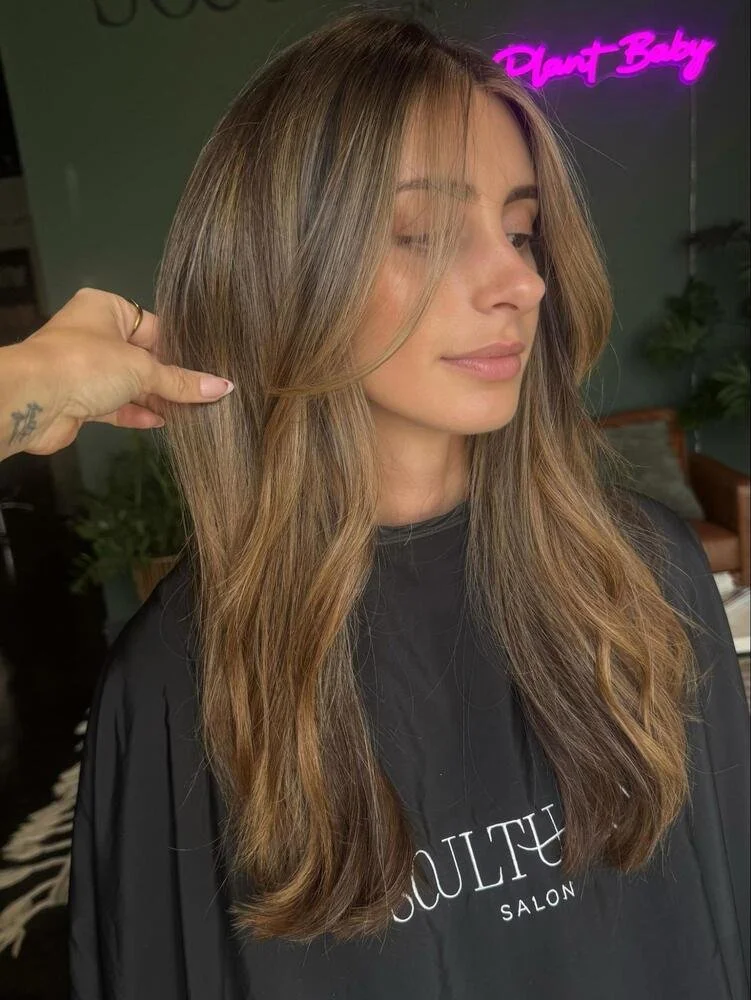
Build Your Correction Around the Color History You Actually Have
Box dye buildup is one of those hair problems that makes much more sense once you stop looking at your hair as one single shade. Your roots, mid-lengths, and ends may each carry a different amount of artificial pigment, different previous services, and a different level of strength. A good correction plan starts by identifying those differences before deciding how to change them.
At Soultuary Salon, we approach color correction as a customized service. We look at your current shade, previous color, hair condition, and the result you want, then choose techniques that fit the needs of each area. Our hair-health-first approach also keeps the condition of your hair central to the plan, with personalized, low-tox color options used where appropriate.
If repeated box color has left your hair darker, banded, uneven, or difficult to lighten, book a consultation with us and bring any details or photos you have from your color history. We can help you understand what is happening in each area and map out the most realistic next step.
